Coastal ecosystems
Dense accumulations can shade submerged habitats and consume dissolved oxygen as they decompose. Impacts vary with exposure, water exchange and duration.
THE CHALLENGE
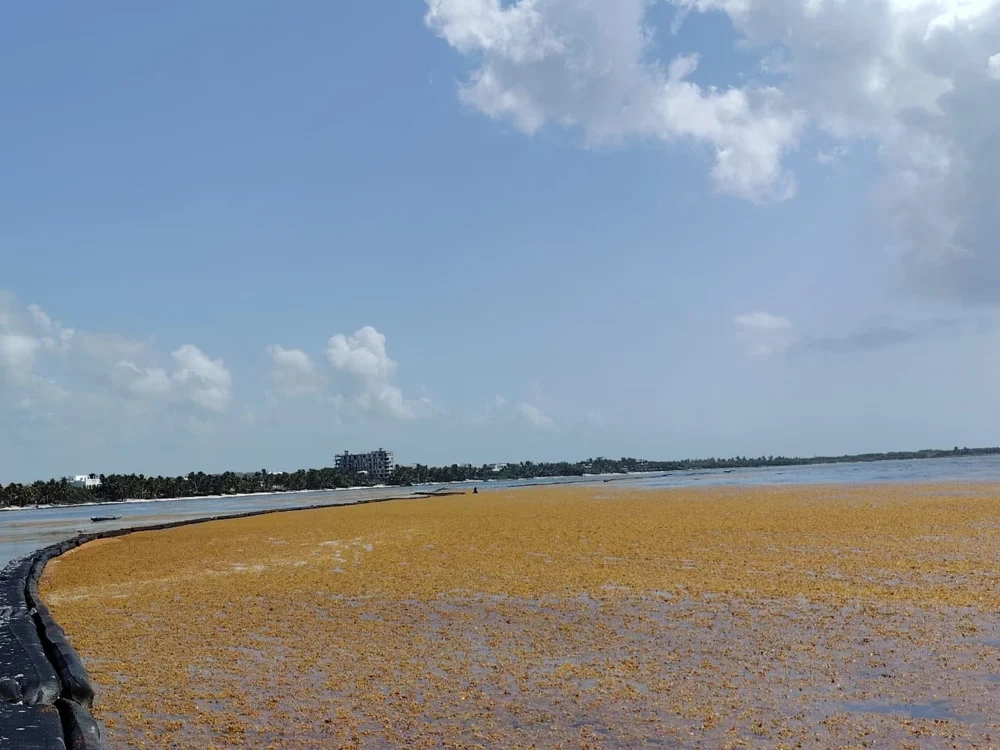
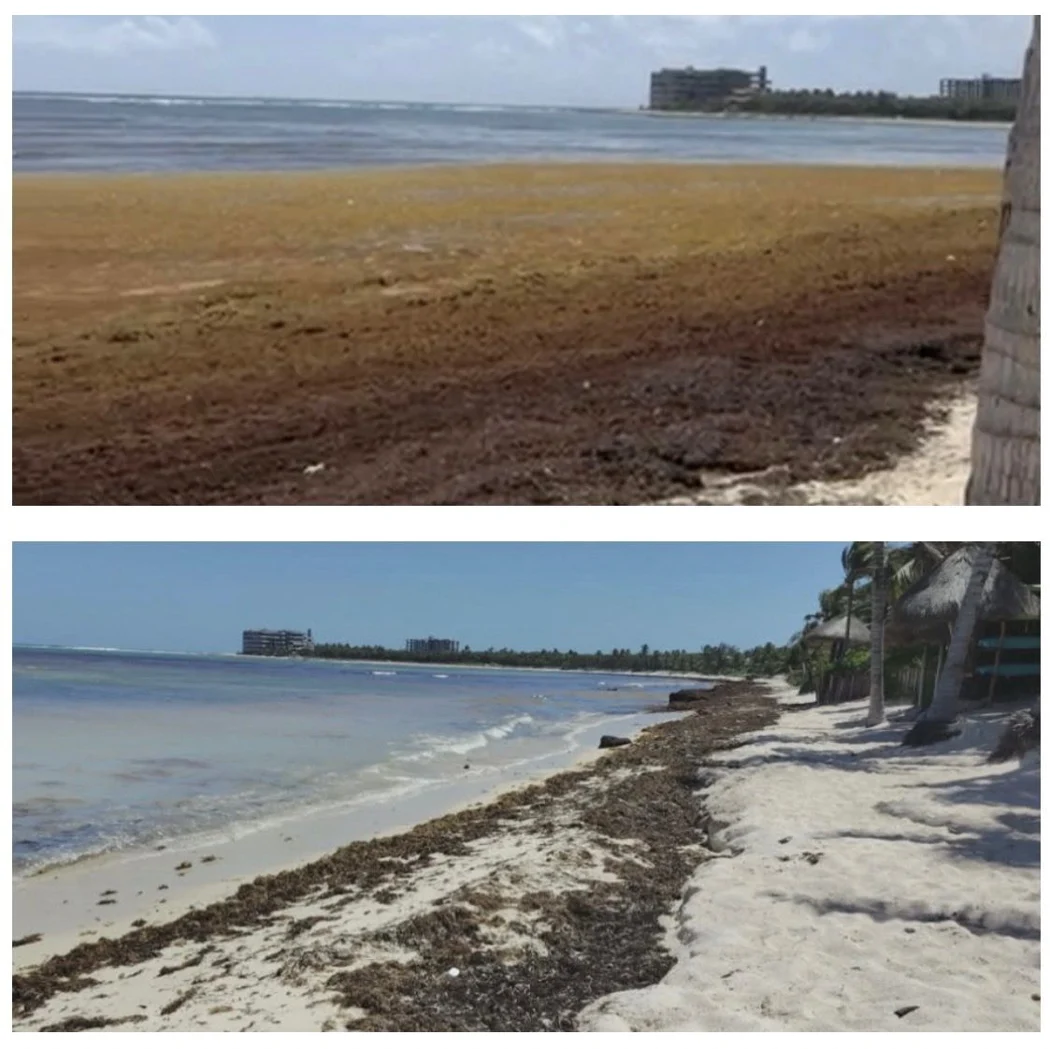
Large pelagic Sargassum aggregations can travel across the tropical Atlantic and strand along Caribbean coastlines.
Dense accumulations can shade submerged habitats and consume dissolved oxygen as they decompose. Impacts vary with exposure, water exchange and duration.
Anaerobic decay can produce methane. The quantity depends on conditions and requires a site-specific baseline. Hydrogen sulfide is a separate air-quality concern.
Wet biomass is bulky. Beach collection, hauling, dewatering and authorized onward management create distinct costs for municipalities, properties and operators.
Satellite intelligence and field checks can inform where earlier interception may be feasible. Planning must account for the role of floating Sargassum as offshore habitat.